
Trade, Tariffs and the Tandoor: How India’s Energy Appetite Is Now a Diplomatic Crisis
When Indian families across Delhi, Jaipur or Bhubaneswar step into their kitchens this week, they may notice something unsettling. The humble act of boiling rice or making tea now costs more than it did last month. At the heart of this quiet inflation lies an unlikely culprit: America’s steel tariffs and a deadlocked trade deal.
India’s multi-layered standoff with the United States, officially about dairy, autos, and genetically modified crops, is fast evolving into something far more consequential. With just days left before a July 9 deadline, the talks between the world’s largest and fifth-largest economies have hit an impasse. But while diplomats bicker, ordinary Indians are paying the price—quite literally—in the form of costlier fuel, pricier food, and rising inflation.
From trade room to tandoor: Why energy lies at the centre
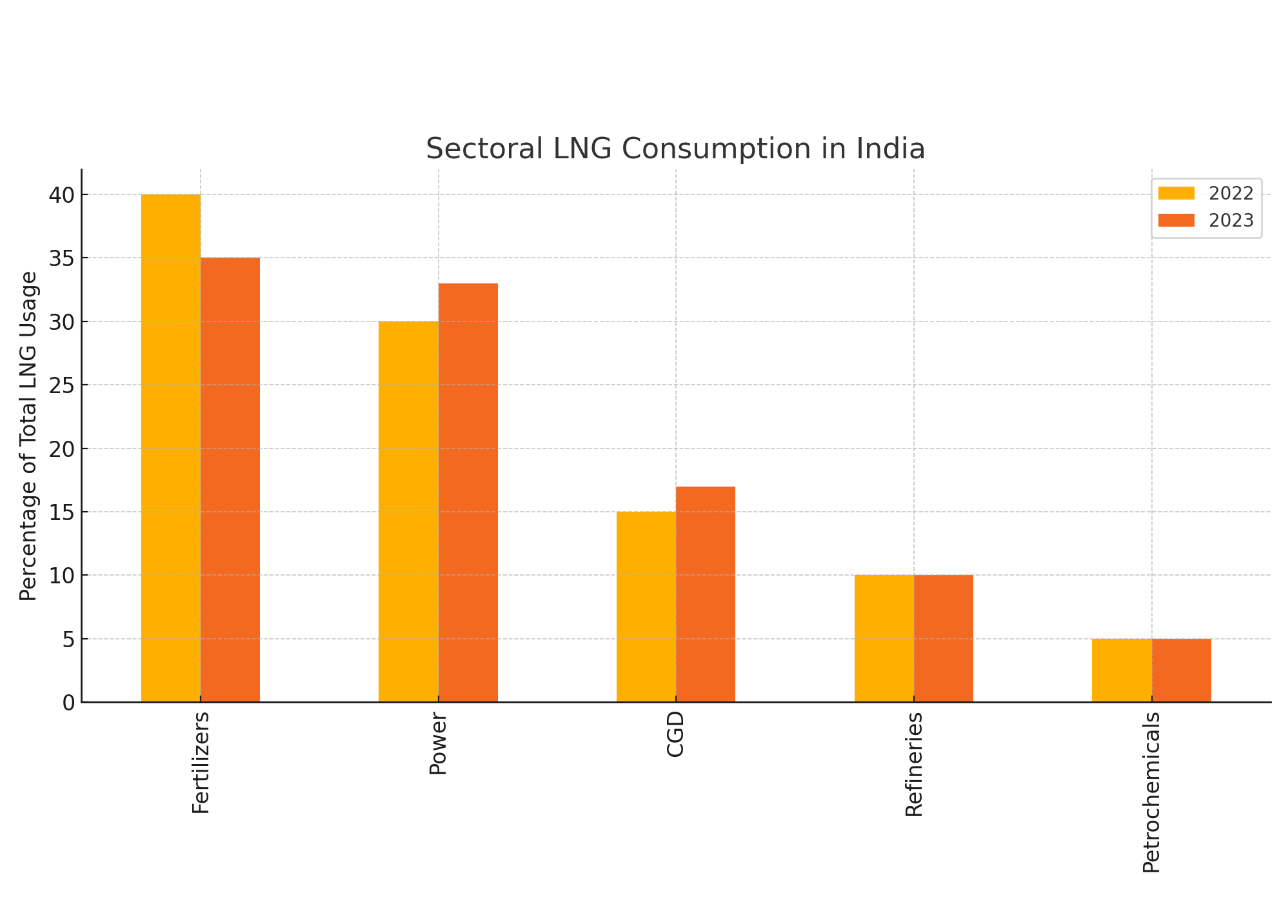
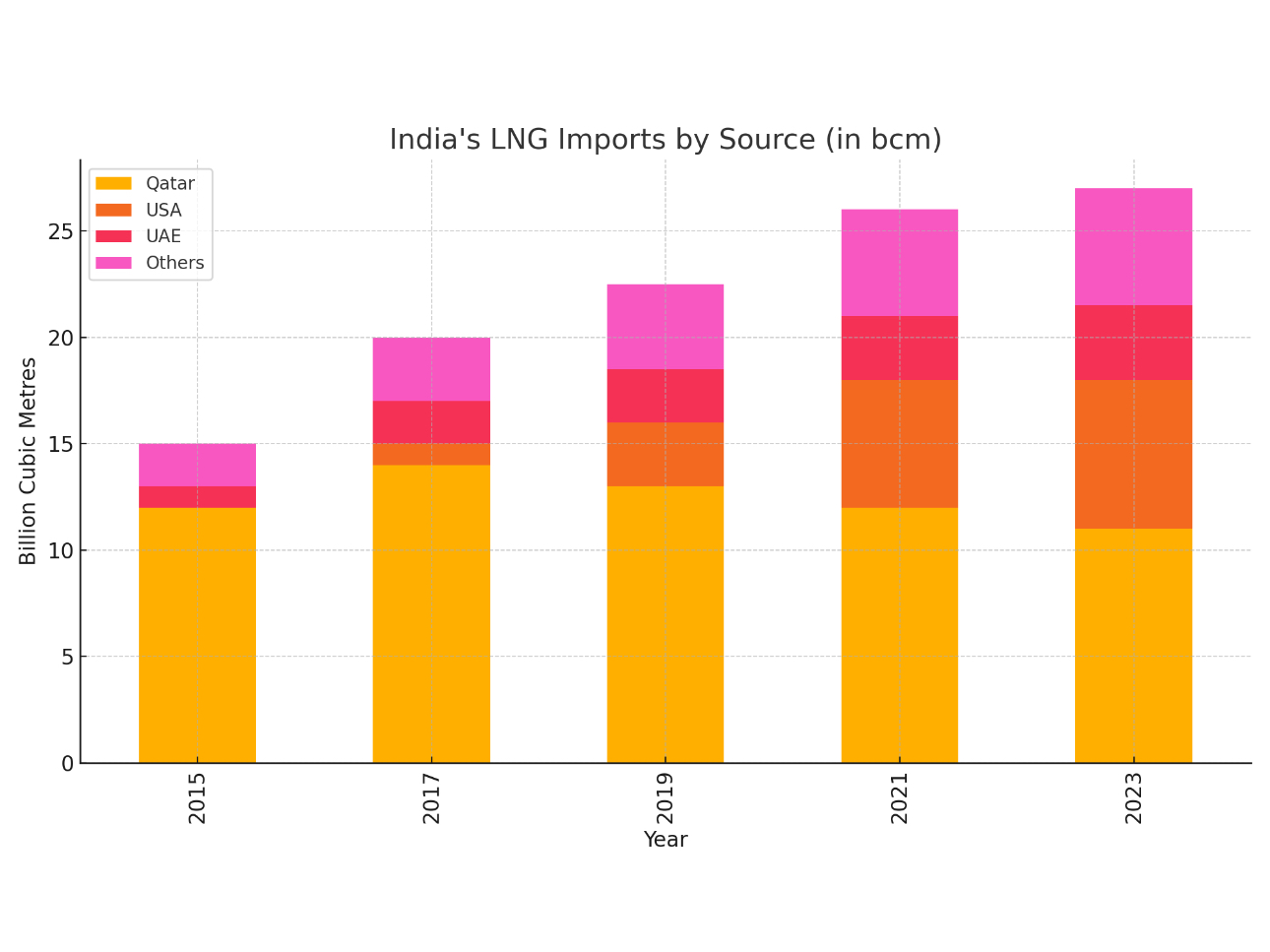
India imports nearly 25.9 million tonnes of liquefied natural gas (LNG) annually. Roughly a quarter of this comes from the United States, and much of it fuels India’s domestic kitchens, industries, and transportation networks. Now, with reciprocal tariffs looming on both sides, American LNG could become significantly more expensive.
According to the Petroleum Planning and Analysis Cell (PPAC), landed prices for US LNG were averaging $14.6/mmBtu in May 2025. Analysts forecast these could breach the $18 mark if retaliatory duties—currently estimated at 10–15%—are enforced. That translates directly into higher cooking gas prices, elevated industrial power costs, and ultimately, higher prices for food, transport, and consumer goods.
Consider the journey of a simple onion. Grown in Maharashtra, transported by diesel-run trucks to Delhi, cooled in energy-intensive storage units, and sold through shops lit by electricity—each step is vulnerable to rising energy costs. For a country where 58% of freight is still road-based, fuel inflation is food inflation.
A plateful of problems: What the average Indian is about to feel
The economic implications are severe and widely distributed:
| Sector | Impact of Energy Inflation |
|---|---|
| LPG for Cooking | Average refill cost rose from ₹950 to ₹1,120 per cylinder in four weeks |
| Urban Food Costs | 8–12% rise in vegetable and dairy prices in June alone (RBI estimates) |
| Transport | CNG and diesel price hikes have increased urban commute costs by 6–8% |
| Fertilizers | Imported urea and potash, both energy-intensive, face price surges |
| Power Tariffs | State DISCOMs anticipate 5–7% hike in summer billing due to LNG premium |
At a microeconomic level, the pinch is palpable. A family of four in Tier-2 cities like Nagpur or Lucknow now spends an additional ₹300–₹500 per month on energy—whether directly or in indirect mark-ups. For India’s lower-middle class, that sum competes with school fees and medicine bills.
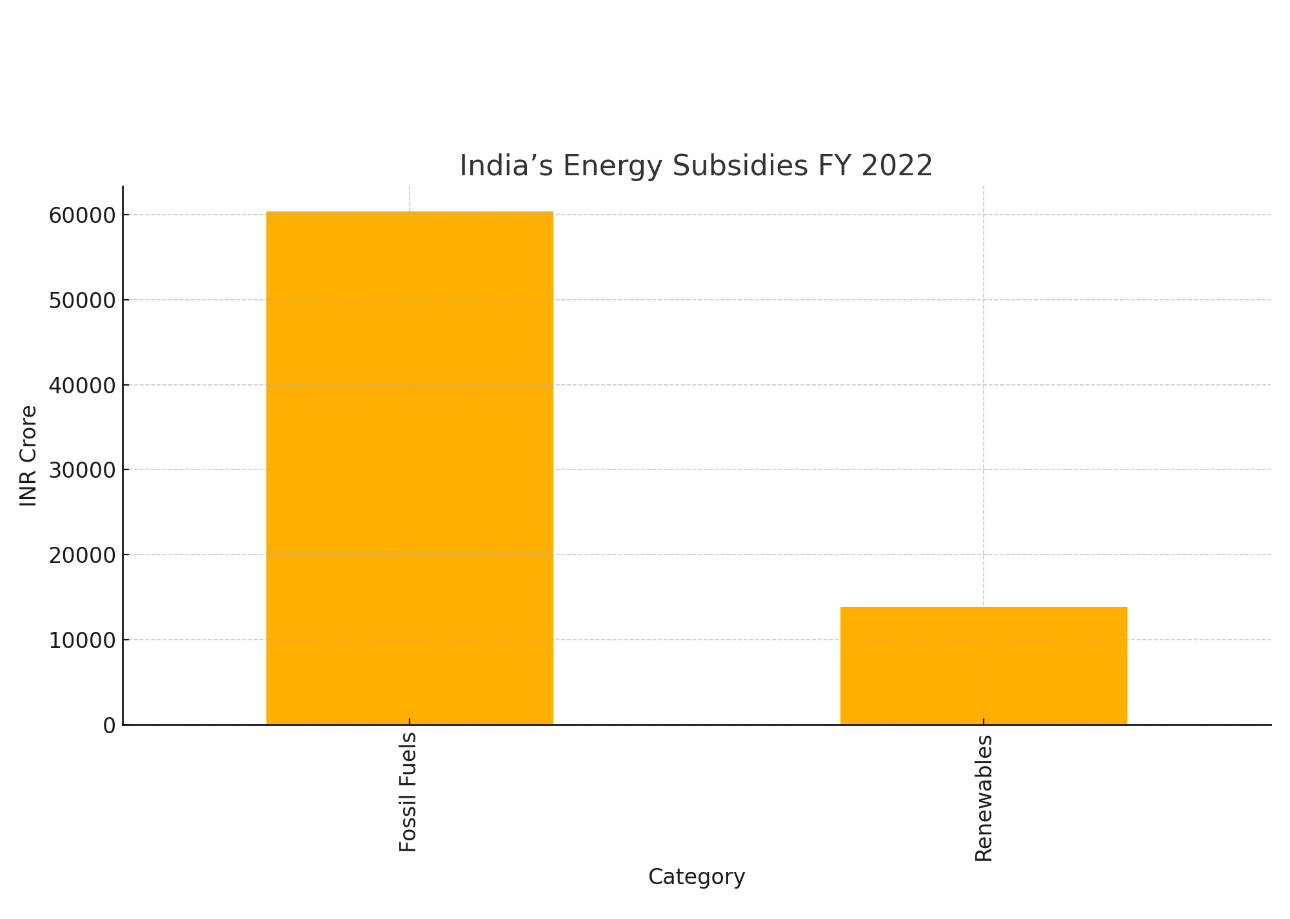
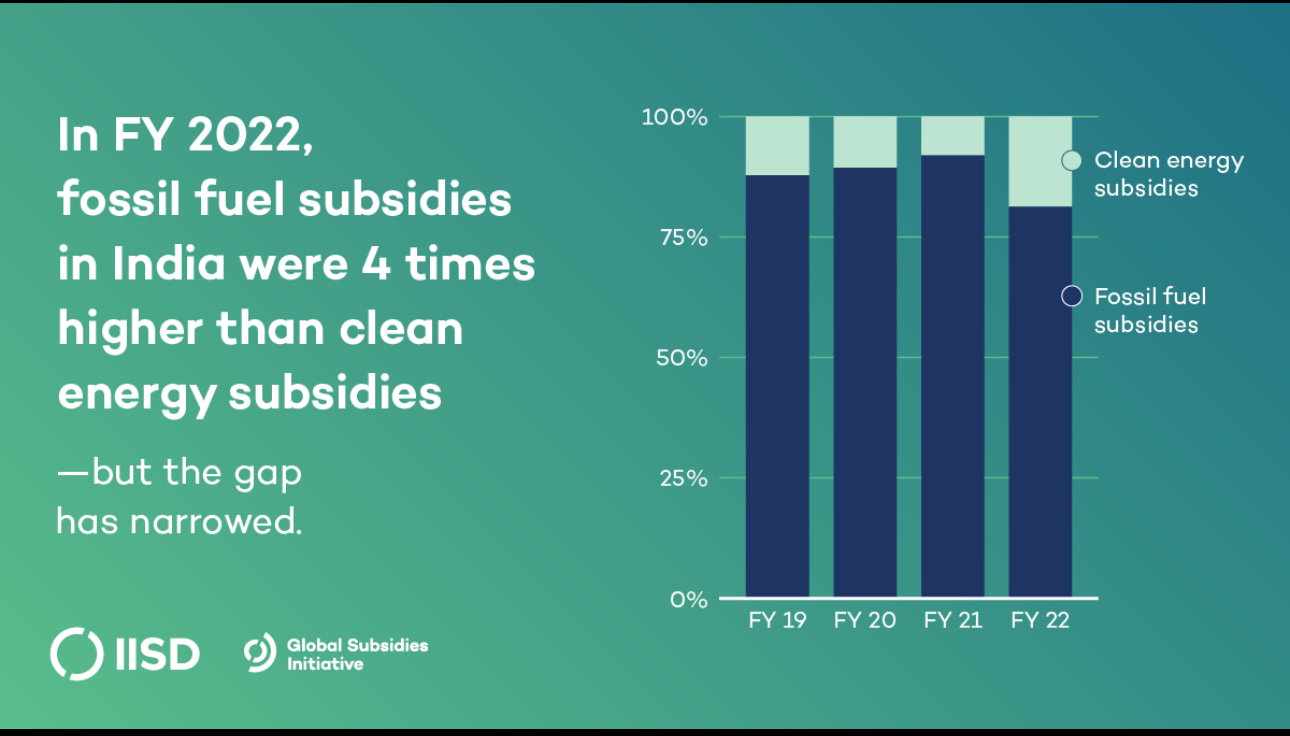
More worryingly, over 95 million rural households rely on subsidized LPG under the Ujjwala scheme. The government will either need to increase the subsidy bill (already ₹11,000 crore in FY25) or risk a reversal in clean fuel adoption.
How did we get here?
At the core of the dispute are four sticking points:
-
Agriculture and Dairy: India has drawn a red line around dairy access, fearing damage to 80 million smallholder farmers if subsidised American products flood the market.
-
Automobile Tariffs: The US imposed a 25% tariff on Indian automobile exports on May 3, affecting $2.9bn in trade.
-
Genetically Modified Crops: India remains opposed to allowing GM imports without domestic regulatory reform.
-
Energy Technology: The US wants greater access to Indian clean tech procurement—India has pushed back to protect “Make in India” initiatives.
India, for its part, has filed a formal retaliation notice at the World Trade Organization, proposing tit-for-tat tariffs on U.S. vehicles and parts. But the legal machinery of Geneva grinds slowly. In the meantime, the common Indian’s monthly budget burns a little faster.
Recalibrating energy diplomacy
India’s response is not just defensive—it is increasingly strategic. The government is fast-tracking energy diversification:
-
Qatar: Now India’s largest LNG supplier, it accounted for 41% of LNG imports in FY24. A $7bn contract signed in May with ADNOC will bring 1.2 MMTPA from 2026 onward.
-
Australia & Brazil: New term contracts for LNG and crude oil were inked with Santos and Petrobras respectively. A 6-million-barrel optional crude term contract is now active.
-
IOCL & BPCL: Both public sector units are doubling down on non-US imports. By 2027, the US share in India’s LNG portfolio could shrink from 25% to under 12%.
Furthermore, India is accelerating LNG terminal expansion. Four new terminals, including one at Kakinada (AP), are expected to come online by 2026, increasing regasification capacity by 32%.
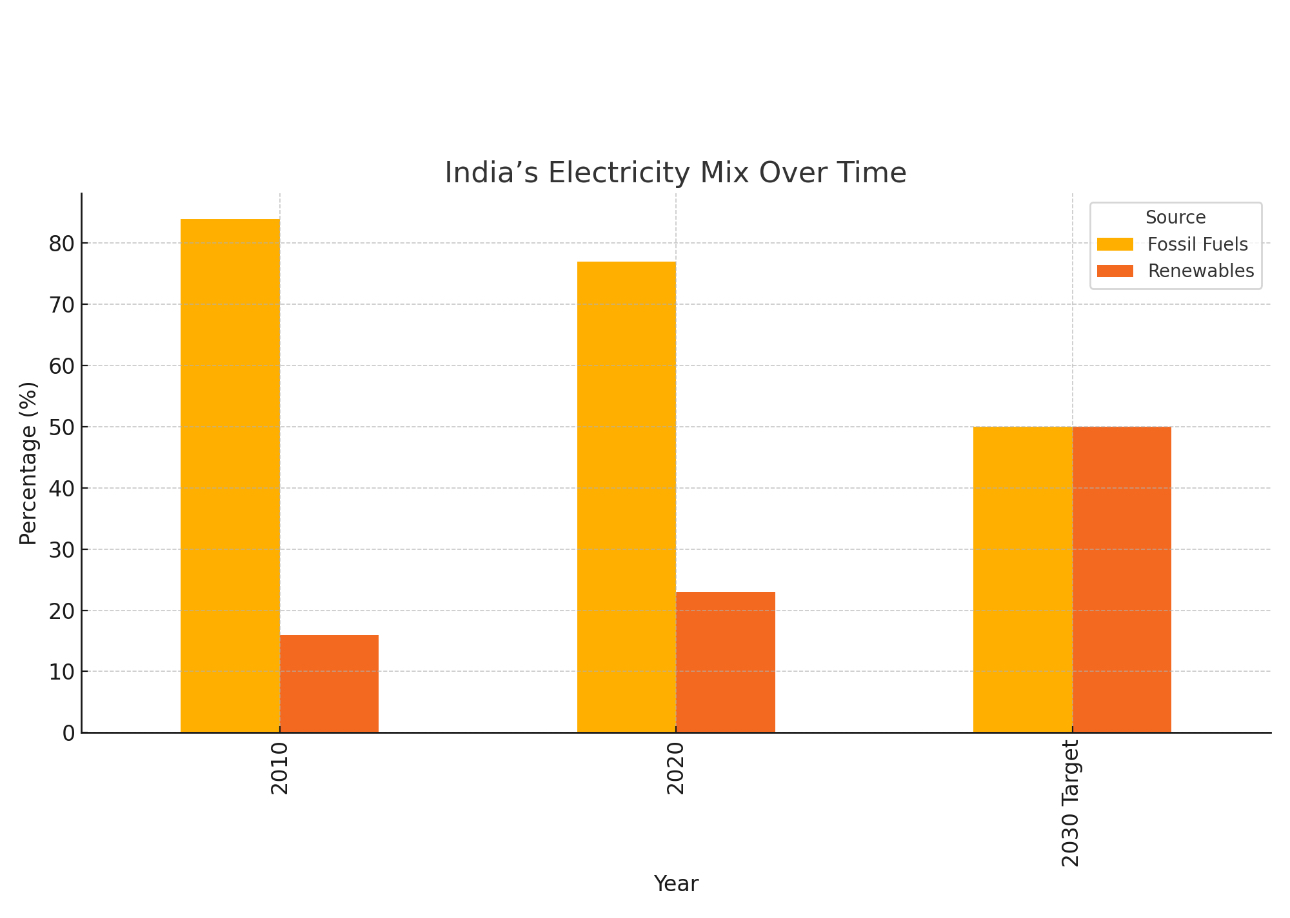
At home, clean energy investment is being ramped up. The National Green Hydrogen Mission (₹19,744 crore allocated) aims to displace imported natural gas in industry by 2030.
Politics at a boil
The political calculus is equally delicate. The NDA government is in its final legislative stretch before the 2026 general election. While it has little appetite for concessions seen as compromising national sovereignty, it cannot afford a sustained cost-of-living spike.
Already, food inflation has ticked upward. RBI Governor Shaktikanta Das warned in June’s monetary policy review of “persistently high energy-linked inflation seeping into core food prices.” The June CPI reading hit 6.1%, breaching the RBI’s upper comfort band.
This gives the opposition a potent narrative: that in resisting foreign pressure, the government may have stoked a domestic affordability crisis. The Congress has already flagged a “triple burden” of fuel, food, and EMI stress on urban consumers.
A new trade architecture?
India’s medium-term strategy is now about insulation and influence.
-
The European Union FTA, now in final-stage negotiations, could open tariff-free trade with India’s largest export market (€124bn in 2023).
-
New Zealand, Chile and the GCC are on fast-track for trade deals.
-
The ASEAN treaty is being modernised for better access to South-East Asian manufacturing networks.
Collectively, these deals are India’s attempt to dilute American leverage while still keeping Washington diplomatically engaged. The message is clear: India wants a rules-based trade regime, not an ad-hoc one defined by tariffs and tweets.
Long-term prognosis: Pain before progress
India’s energy story is one of contradictions. It aspires to be a $5 trillion economy powered by renewables, yet it imports over 80% of its energy. It wants to be a voice for the Global South but is deeply exposed to North-South trade politics. It seeks energy independence but cannot yet afford to turn its back on LNG tankers from Louisiana.
This crisis, if anything, may push India to accelerate the reforms it has long postponed: energy storage, last-mile electrification, smart grids, and true domestic gas exploration.
For now, the boiled egg on Meena Devi’s plate costs ₹3 more. The onion in her curry has doubled in price. Her son walks to school instead of taking the bus. The geopolitical standoff between New Delhi and Washington, she knows nothing about. But she feels its consequences with every meal she serves.