
1. India Fast-tracks Hydrogen in Industrial Transition
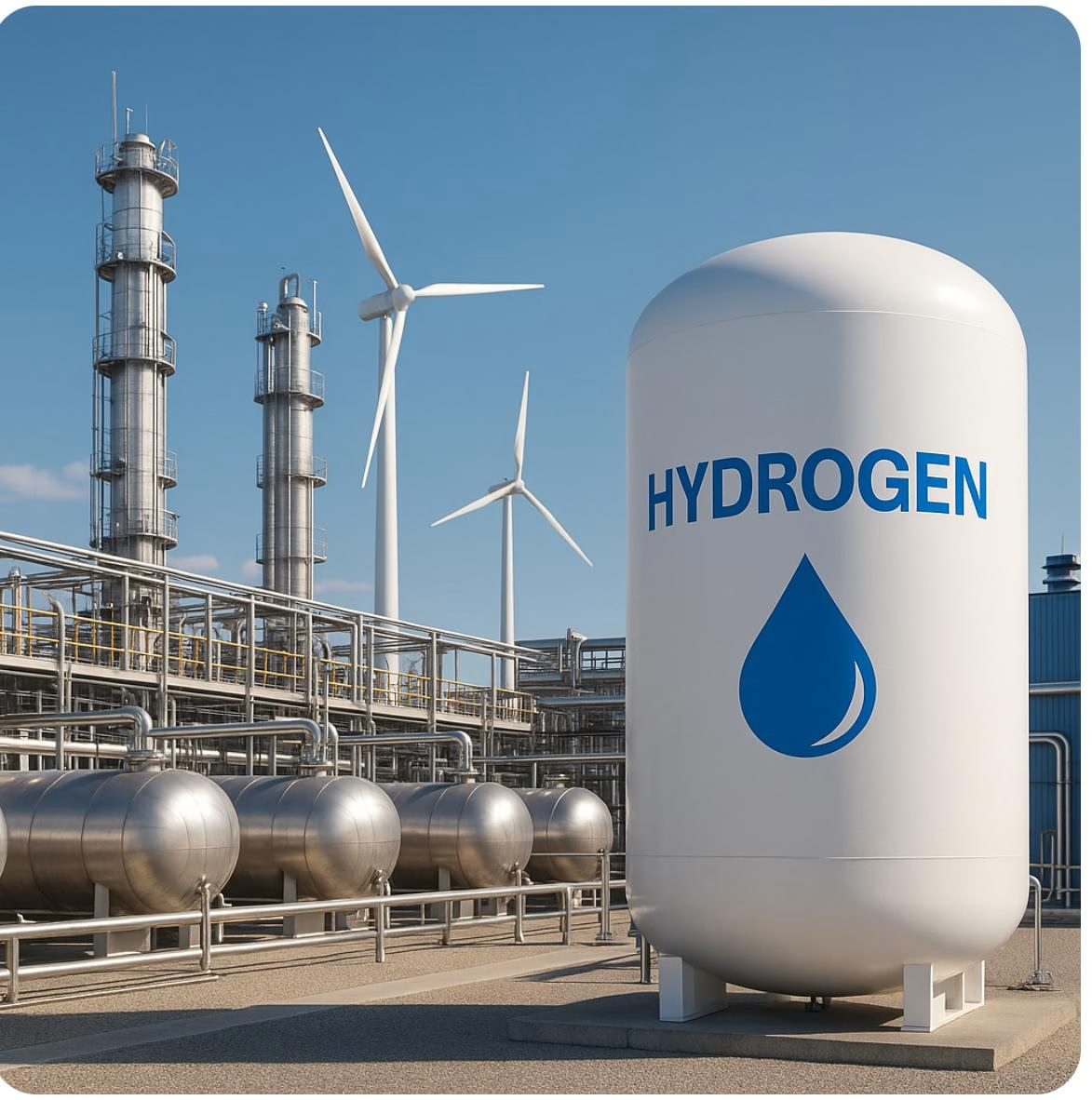
India’s green hydrogen ambitions moved beyond policy rhetoric in 2025. The government’s ₹19,744 crore National Green Hydrogen Mission aims for 5mn tonnes annual production by 2030, with initial facilities taking shape in Gujarat’s industrial belt, Odisha’s port complexes and Tamil Nadu’s renewable corridors.
Production costs remain challenging at $3-5 per kilogram, well above the $1 threshold needed for commercial viability against fossil alternatives. However, manufacturers are banking on scale economics and improved electrolyser technology to bridge this gap within five years.
Industrial buyers face mounting pressure from global supply chains demanding carbon-neutral inputs. Fertiliser producers, oil refineries and steel mills—sectors consuming most of India’s current 6mn tonnes of grey hydrogen—represent the primary market. Early supply agreements with Japanese trading houses and European chemical companies suggest export potential, though domestic absorption remains the priority.
The hydrogen push reflects India’s pragmatic approach to energy transition. Rather than abandoning industrial processes dependent on fossil inputs, policymakers are creating pathways for gradual decarbonisation while maintaining competitiveness in global markets.
2. Coal India Gains from Tax Overhaul
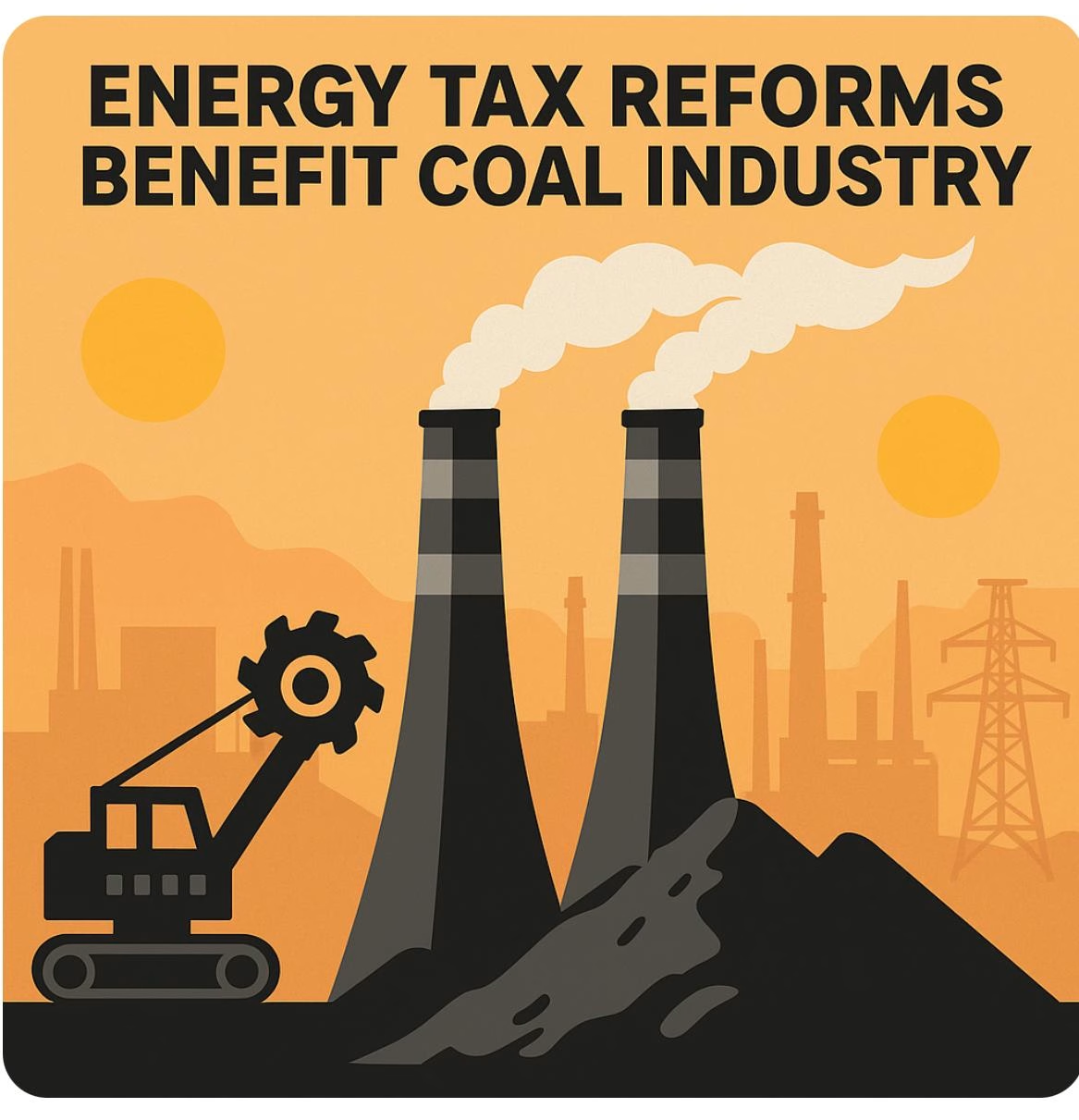
September’s GST restructuring delivered unexpected relief for India’s coal sector. While raising the base rate from 5% to 18%, the government eliminated a ₹400 per tonne cess, creating a net reduction of ₹180 per tonne from September 22.
Coal India, which supplies 80% of domestic production, stands to benefit most from improved price competitiveness against imports. The state miner produced 703mn tonnes in FY2024 while India imported 261mn tonnes, primarily higher-grade coal for steel production and thermal generation.
The reform reflects New Delhi’s balancing act between climate commitments and energy security. Coal still generates 70% of India’s electricity, and demand continues rising alongside industrial expansion. Rather than accelerating coal’s decline, the government chose to support domestic production while renewable capacity scales up.
Environmental groups criticised the move as contradicting India’s net-zero pledges. However, officials argue coal remains essential for grid stability during the transition period, with demand projected to peak only in the 2030s as storage technology improves.
3. ONGC Leans on BP to Unlock Gas Reserves
ONGC confirmed in September its engagement of BP technical specialists to accelerate Krishna-Godavari basin development. The partnership addresses persistent challenges in India’s most promising offshore region, where complex deepwater reservoirs have frustrated domestic expertise.
Production delays have broader implications for India’s energy security. Domestic crude output declined to 20.7mn tonnes in FY2024 from 25mn tonnes a decade earlier, while natural gas production stagnates despite growing demand. Import bills exceed $175bn annually for crude oil alone.
BP’s involvement brings North Sea and Gulf of Mexico experience to deepwater drilling and reservoir management. The collaboration follows similar arrangements with ExxonMobil and other international majors as ONGC acknowledges limitations in indigenous capabilities for frontier exploration.
Success in the KG basin could establish a template for developing other offshore assets along India’s 7,600km coastline. However, the partnership underscores continuing dependence on foreign technology for advanced oilfield services, highlighting gaps in India’s upstream expertise.
4. India Plots Carbon Capture as Emissions Persist
NITI Aayog’s September announcement of a Carbon Capture, Utilisation and Storage mission signals acceptance that India’s emissions cannot be eliminated through renewable energy alone. The initiative targets industrial clusters where capture technology offers the most viable decarbonisation pathway.
Cement, steel and aluminium producers face the dual challenge of process emissions that resist electrification and global buyers demanding lower carbon footprints. The government proposes incentives covering 50-100% of pilot project costs to accelerate commercial deployment.
International partnerships with Norway, the US and UK provide technology access while India develops indigenous capabilities. However, global CCUS experience highlights persistent cost challenges, with capture expenses ranging from $50-100 per tonne of CO2.
The mission represents pragmatic climate policy acknowledging India’s continued reliance on heavy industry and thermal power. While renewable capacity expands rapidly, complete decarbonisation requires interim solutions that maintain economic growth alongside emission reductions.
5. India Bets on Modular Nuclear for Baseload Security
The Union Budget’s ₹20,000 crore allocation for nuclear expansion prioritises Small Modular Reactors over conventional plants. Five indigenous SMRs are targeted for operation by 2033, supporting longer-term capacity goals of 100 GW by 2047.
Nuclear power contributes just 3% of India’s electricity generation through 23 operational reactors totalling 7.48 GW capacity. Historical delays and cost overruns have limited expansion despite abundant uranium resources and established reactor technology.
SMRs offer advantages including lower capital requirements, shorter construction periods and greater deployment flexibility. The technology could address persistent challenges in India’s nuclear programme while building indigenous design capabilities through organisations like BARC.
International fuel supply agreements with Kazakhstan, Canada and Russia support expansion plans, though domestic uranium mining remains limited. The nuclear mission aligns with net-zero commitments by providing carbon-free baseload power complementing intermittent renewables.
6. Bangladesh Turns to India for Grid Stability
Cross-border electricity trade has strengthened India’s position as South Asia’s dominant energy supplier. Bangladesh imports approximately 1,160 MW through transmission interconnections, providing grid stability during peak demand periods while generating revenue for Indian producers.
The relationship extends beyond commercial transactions to strategic influence as China expands infrastructure investments across the region. Energy cooperation demonstrates India’s capacity to provide reliable supply while cementing diplomatic ties through practical collaboration.
Environmental considerations complicate the arrangement as much exported power originates from coal-fired generation. Both governments discuss renewable energy integration, though immediate priorities favour reliability over rapid decarbonisation in Bangladesh’s growing economy.
Similar arrangements with Nepal, Bhutan and Myanmar position India as the region’s energy hub. The strategy counters Chinese Belt and Road Initiative influence while creating commercial opportunities for Indian power producers seeking export markets.
7. Coal Sector Ramps Up Afforestation
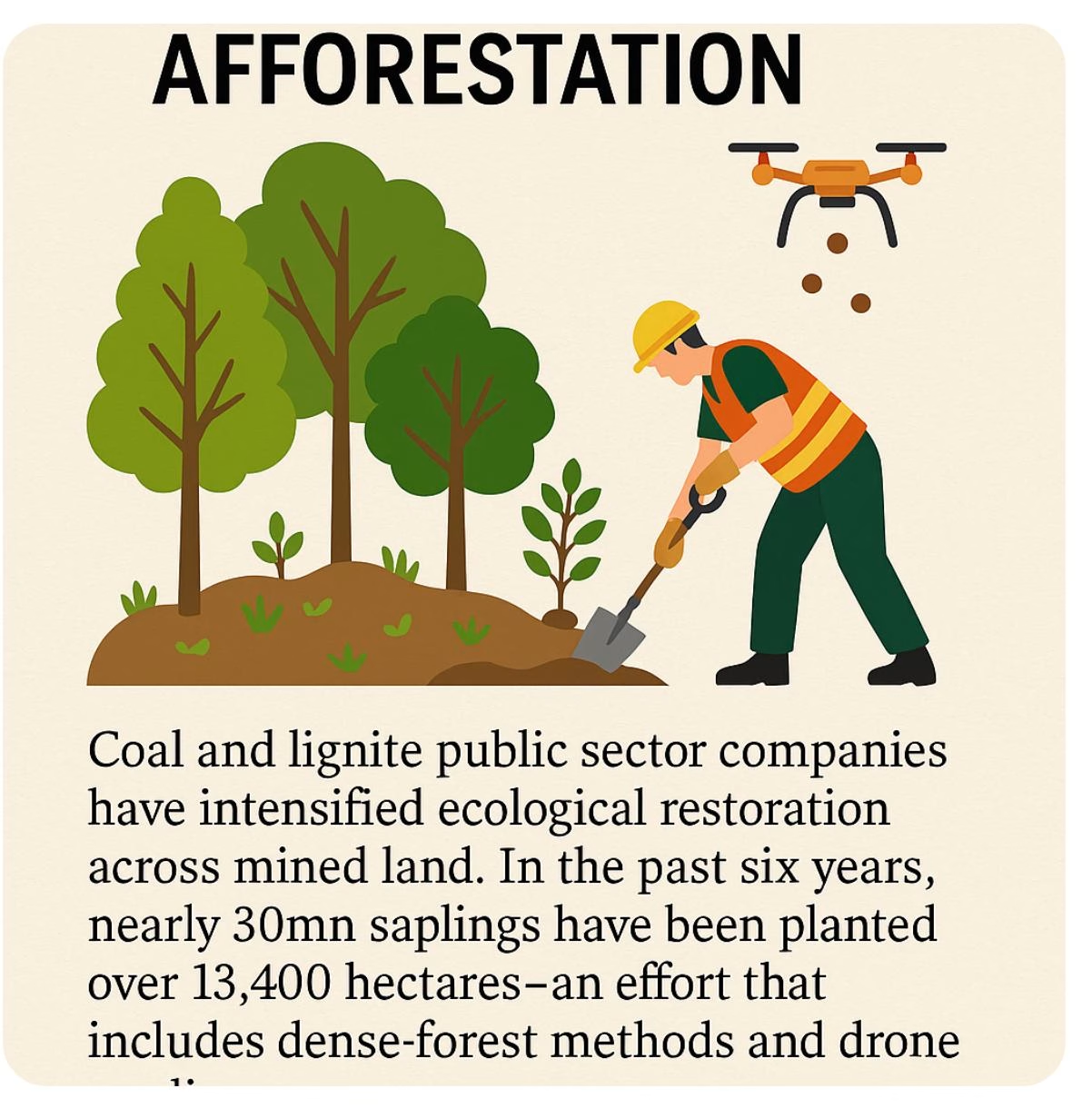
Coal and lignite companies have planted approximately 30mn saplings across 13,400 hectares of mined land over six years. The restoration efforts employ techniques including Miyawaki forest development and drone seeding to accelerate ecological recovery.
These programmes fulfil environmental clearance obligations as coal production exceeds 1bn tonnes annually. While afforestation provides local environmental benefits and improves community relations, critics argue it cannot offset combustion emissions from expanded coal use.
Success rates vary significantly based on regional climate, soil conditions and maintenance quality. States with reliable monsoons report higher survival rates, though long-term ecosystem restoration requires sustained investment beyond initial plantation efforts.
The initiatives reflect recognition of mining’s environmental impact while India maintains coal dependence. As renewable capacity expands, restoration programmes may help secure social licence for continued operations during the extended transition period.
8. Green Finance Accelerates with IREDA Bond Issue
IREDA’s ₹453 crore perpetual bond issue on September 11 attracted strong investor interest, with subscription levels reaching 2.69 times the offering at 7.70% per annum. The success demonstrates growing appetite for renewable energy financing among domestic institutions.
The proceeds support solar, wind and hybrid project development as India targets 500 GW renewable capacity by 2030. IREDA serves as crucial intermediary providing concessional finance while offering investors exposure to the clean energy expansion.
Green bond markets in India have matured significantly, with cumulative issuance exceeding $15bn. Financial innovation includes infrastructure investment trusts and blended finance mechanisms combining public and private capital for project development.
The successful offering reinforces India’s attractiveness for green investment, supported by stable policy frameworks and improving project economics as technology costs decline.
9. Oil India Pivots to Power Generation
Oil India’s joint venture with Rajasthan’s power utility represents calculated diversification as domestic hydrocarbon output stagnates. The 50:50 partnership covers thermal and renewable generation, reflecting broader industry adaptation to energy transition.
Traditional upstream companies face declining production and uncertain long-term prospects as electrification accelerates. ONGC, BPCL and HPCL pursue similar diversification strategies, leveraging existing infrastructure and customer relationships for power sector entry.
The Rajasthan partnership offers the state additional investment and technical expertise for capacity expansion. However, success depends on effective project execution and favourable regulatory treatment for diversified energy companies.
While initial investments remain modest compared to upstream operations, the strategic signal is significant. Energy incumbents recognise the need to adapt business models for survival in a carbon-constrained future.
10. Coal Mining Gets Digital Overhaul
The Coal Ministry’s AI-enabled monitoring centre in Ranchi represents broader digitisation efforts across India’s mining sector. Real-time surveillance targets theft reduction, safety improvement and operational efficiency as production volumes exceed 1bn tonnes.
Digital platforms integrate satellite monitoring, GPS tracking and automated systems to address persistent revenue losses from pilferage and unauthorised mining. The technology provides unprecedented visibility into coal supply chains while creating audit trails for regulatory compliance.
Implementation challenges include system integration, staff training and data security across multiple stakeholders. Success requires user adoption and continuous upgrades to address emerging operational needs in a traditionally analogue sector.
The digitisation initiative aims to modernise India’s coal industry amid criticism of inefficiency and opacity. While technology cannot resolve all sectoral challenges, improved monitoring may enhance public trust and investor confidence.
11. NTPC Hybrid Project Signals Shift in Renewables
Maharashtra’s regulatory approval for NTPC’s wind-solar hybrid project marks acceptance of combined renewable technologies as grid integration solutions. Hybrid systems address intermittency challenges by blending complementary generation profiles.
Solar output peaks during daytime while wind power often increases during evening hours, providing more consistent electricity supply for distribution utilities. This reduces balancing costs and backup generation requirements compared to single-technology projects.
NTPC’s transformation from coal dominance toward clean energy positions the state generator as a model for other producers. The company’s technical expertise in both solar and wind technologies supports optimal hybrid configurations for different regional conditions.
Widespread hybrid adoption could reshape India’s power sector while accelerating progress toward emission targets. The Maharashtra approval establishes regulatory precedent for other states considering similar project structures.